

It was a busy September in Canberra and on the road across Nicholls, from Kilmore to Echuca, Nathalia to Yarrawonga and plenty of places in between. Welcome back to the Bulletin, and thank you for reading.
LABOR'S BACKPACKER MESS
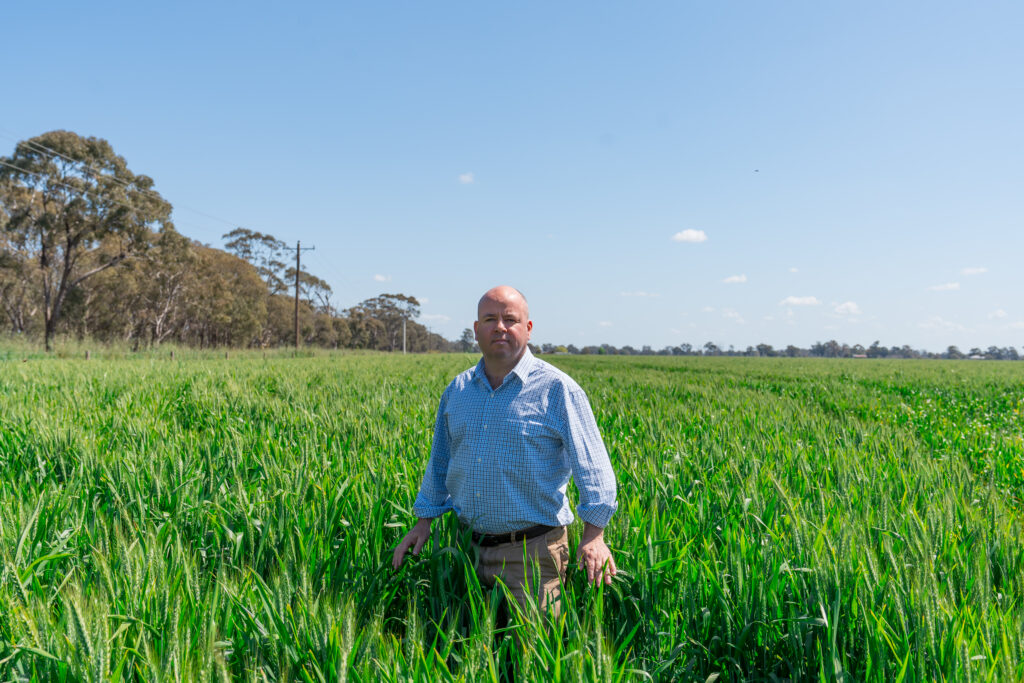
This month, the Albanese Labor Government announced cuts to the Working Holiday Maker visa program.
In year two, the backpacker intake falls from 57,000 to 45,000. In year three, it falls from 31,000 to just 5,000. That is a cut of more than 40 per cent.
Days later, Labor backtracked. The National Farmers’ Federation will now have to submit applications to fast-track workers during planting and harvest. That means farmers must prove why they need extra workers, right before peak season.
Working Holiday Makers are temporary workers. They travel to regions when crops are ready, often live in on-farm accommodation and spend their wages in our country towns. They also fill around one in seven farm jobs nationally.
As NFF horticulture spokesperson Richard Shannon said: “They are not competing for family homes in outer-metropolitan suburbs and should not be treated as though they are.”
Separately, Ministerial Direction 119 places skilled agricultural applicants applying from overseas in the lowest processing priority group.
Hay and grain producers, stone fruit growers, apple and pear orchards and vineyards need workers to bring their crops in. Without enough staff, nurseries, packing sheds and meat processors can be forced to cut production or shut down operations completely.
Across Nicholls, I have been working with harvesting contractors who are ready to start. The experienced workers they rely on are stuck in limbo.
Australia can bring migration down without leaving fruit to rot in the Goulburn Valley. Overall migration must fall and visa standards must rise, but delaying temporary ag workers who fill proven farm shortages is the wrong way to do it.
Our farmers are here to grow the nation’s food and fibre, not to be used as political pawns. Australia won’t fix its housing shortage by allowing a workforce shortage to become a food shortage.
A WIN FOR OUR VETERANS
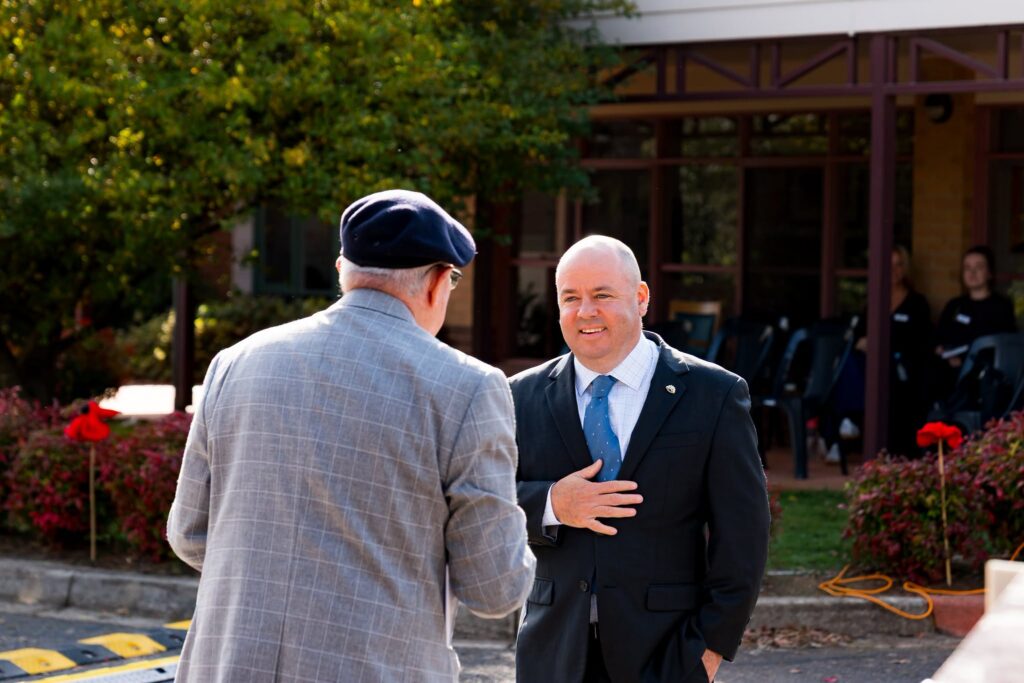
Labor scrapped its $5,000 cap on allied health care for veterans.
I raised this issue in Parliament many times, after Matt McLaughlin, President of the Seymour RSL, along with many veterans, voiced their concerns. Many veterans rely on ongoing physiotherapy, psychology, occupational therapy and exercise physiology to manage service-related injuries and long-term health conditions. A capped limit was always going to fail to reflect the real cost of maintaining their health and quality of life.
Veterans should never have had to fight their own government for care they have earned through their service.
Thank you to Matt and the Seymour RSL for speaking up, and to every veteran across our region who made their voice heard. This is their win.
Thank you for your service.
HANDS OFF OUR SENIORS' HEALTH COVER

Next, Labor should reverse its cut to the private health insurance rebate for Australians aged 65 and over, which would bank almost $3 billion in savings over four years.
From April 2027, the rebate would drop from 28 per cent to 24 per cent for those aged 65 to 69, and from 32 per cent to 24 per cent for those aged 70 and over.
Couples with gold cover face paying up to $1,614 a year extra. For individuals, it is up to $807.
These are Australians who did the right thing for decades, paying their own way with private cover so they were not a burden on the public system.
The cuts risk increasing the burden on already stretched regional public health as older Australians abandon private health cover they can no longer afford. The Coalition opposes this unfair cut.
DOOKIE WON, COLBINABBIN IS NEXT
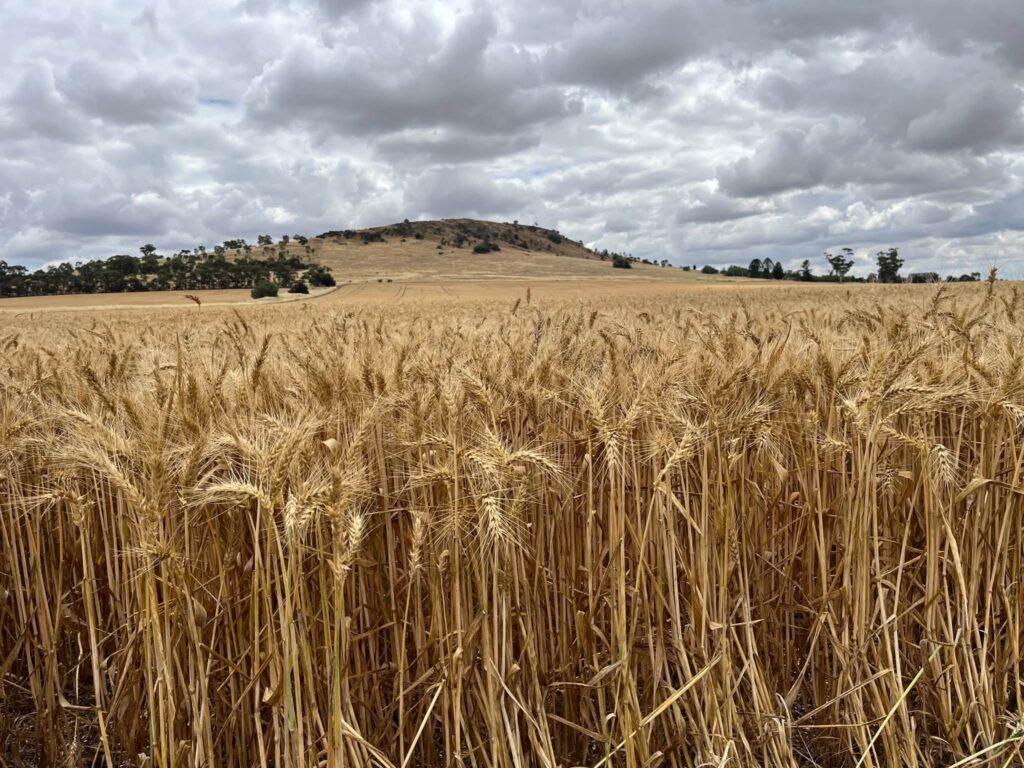
Common sense prevailed this month, with the Central North Renewable Energy Zone scrapped. It was a huge win for the Dookie area community.
Highly productive agricultural land will keep producing highly productive agricultural crops. The community should never have been put through this in the first place. Well done everyone, especially Protect Dookie & GV.
Colbinabbin is prime cropping country, and right now it is growing an amazing canola crop. Next door, a renewable energy company has bought productive farmland and let it go, planning solar panels on a paddock that floods. In 2016 and 2020, water covered parts of that same land.
Local farmers fear the built-up roads and infrastructure that come with these projects will push floodwater onto thousands of hectares of crop next door.
The Dookie community never gave up. Colbinabbin will not give up either. Prime agricultural land is not the place for renewable energy projects.
HELD BACK BY POLICY, NOT AMBITION
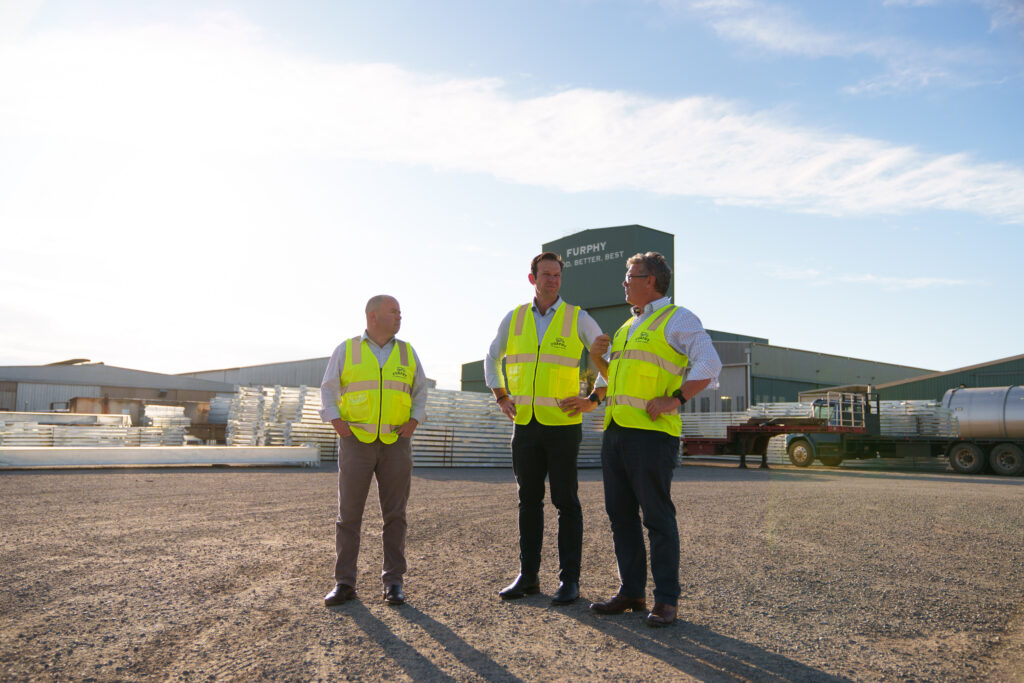
Earlier this month, I hosted the Leader of The Nationals, Senator Matt Canavan, on a two-day tour of Kilmore, Echuca, Shepparton, Nathalia, Katunga, Yarrawonga and Tatura. Everywhere we went, local businesses raised rising energy costs and constrained network capacity as the biggest barrier to investment, expansion and jobs.
In Kilmore, we met Mitchell Shire Council to discuss the infrastructure needed to keep pace with the town’s rapid growth, including the John Street link road and a full bypass.
At Kagome Australia in Echuca, the nation’s largest tomato processor, we heard how energy costs, the loss of irrigation water and imported products are limiting its capacity to invest and expand. When a business like Kagome feels that pressure, so does every grower who supplies it and every family whose job depends on it.
At J. Furphy & Sons in Shepparton, a fifth-generation family business established in 1864, we toured the galvanising and steel fabrication operations.
In Nathalia, Rex James Stockfeed and Ryan Meat Company again raised energy constraints and network upgrade costs as barriers to growth. In Yarrawonga, we discussed irrigation, water and energy, and visited the Yarrawonga to Mulwala Bridge, which desperately needs replacing.
“You cannot have a serious food manufacturing industry in this country without affordable and reliable energy,” Senator Canavan said.
The tour wrapped up with Pollies in the Pub at the Tatura Middle Hotel, where locals raised issues directly with us.
Nicholls does not need handouts. It wants the infrastructure and energy certainty to keep doing what it already does well.
Fairley Leadership Puts Their Questions to Parliament

It was a privilege to host the 2026 Fairley Leadership cohort in Parliament this month.
The group had the opportunity to put questions directly to MPs and Senators from across the political spectrum, hearing a range of perspectives on public life and the role of elected representatives.
Senator Jana Stewart, Milton Dick MP, Dai Le MP, Darren Chester MP, Senator Matt Canavan and Simon Kennedy MP, each took the time to speak with the group.
The discussions explored leadership, community representation and issues shaping regional Australia. The cohort brought thoughtful questions and a genuine interest in how our political system operates and the ways they can make a difference in their own communities.
The delegation attended Question Time and also visited the media wing.
Fairley Leadership brings together emerging community leaders from across our region. The engagement from this year’s cohort led to valuable conversations throughout the day.
As a former Fairley Fellow, it was particularly rewarding to see the next generation of regional leaders taking part in the program. I look forward to seeing how they take what they’ve learned back to their communities and put it into practice.
Echuca Takes Home Bronze
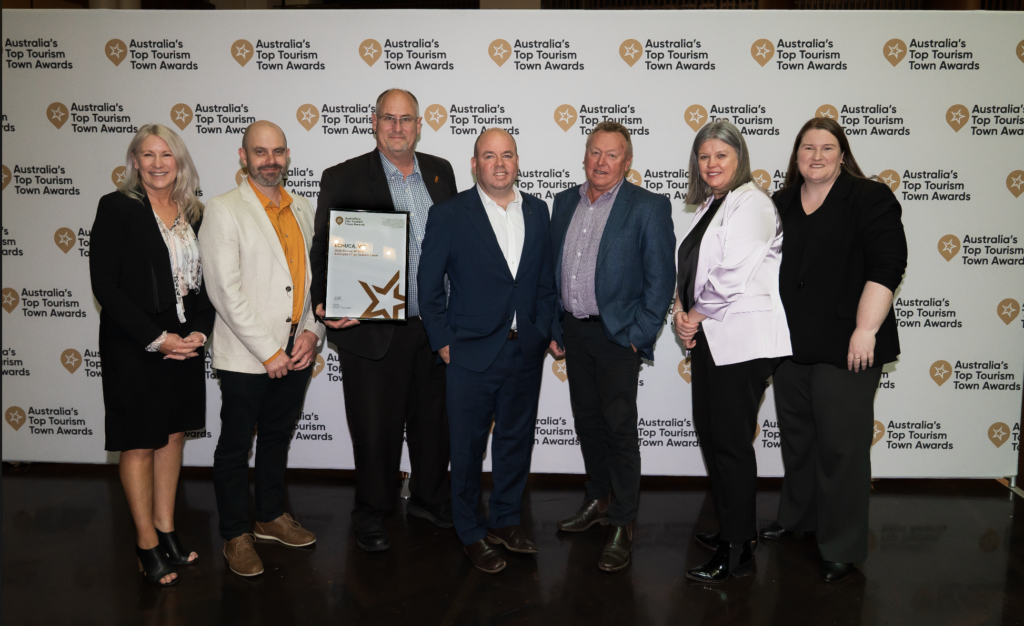
Echuca took home bronze at the 2026 Australia’s Top Tourism Town Awards in Canberra, adding to the Gold Award it won at the Victorian titles earlier this year.
I joined Campaspe Shire Mayor Daniel Mackrell, Deputy Mayor Tony Marwood and the Council team at Parliament House to celebrate the result.
This recognition belongs to the tourism operators, accommodation providers, local businesses and volunteers who make Echuca one of the best regional destinations on the Murray.
It is a win for everyone who works to make Echuca a place people want to visit.
GRANT OPPORTUNITY: STRONGER COMMUNITIES ROUND 10
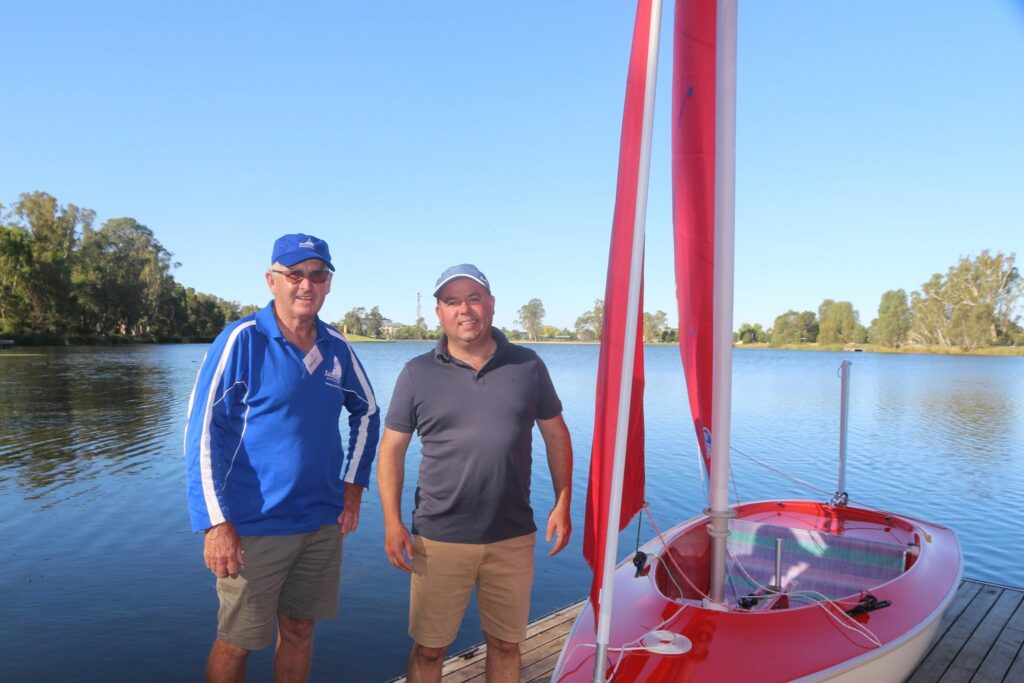
The Stronger Communities Programme provides grants for community projects that help strengthen and benefit local communities.
I am inviting interested organisations in Nicholls to submit an Expression of Interest before 5pm on Wednesday 11 November.
Grants of $2,500 to $20,000 are available, and projects must not exceed $50,000.
For all the information and the Expression of Interest form.
You can also visit my website to view the latest grant opportunities available across Nicholls.